Planning Your Window Project
Good window projects are planned backward from the decisions that matter most: what actually needs replacement, which performance priorities matter in your climate, how much scope you can realistically budget for, and when the work should happen relative to siding, trim, or other exterior updates.
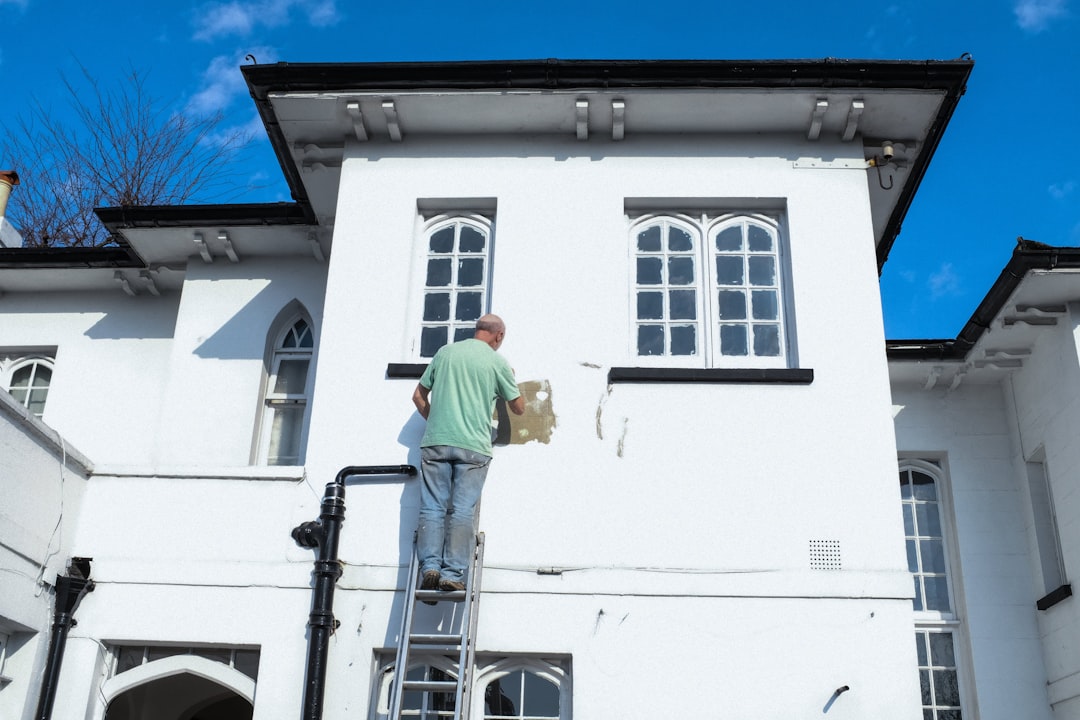
Understanding the shape of this decision before you get quotes will save time, reduce surprises, and help you hire more confidently.
The biggest planning mistakes usually happen before any quote is signed: replacing the wrong windows, choosing on frame material alone without understanding the glass package, or comparing proposals that are not actually pricing the same scope.
This guide covers
Key Decision Points
Work through these questions before committing to a scope or requesting quotes.
Which windows actually need action now?
Start by separating clearly failing windows from those that are merely older. Prioritize windows with leaking, rot, failed insulated glass, serious drafts, or operational problems. You may not need a whole-house project immediately unless the condition is widespread or you want a uniform appearance and scope.
Insert replacement or full-frame replacement?
This is one of the most important scope decisions. Insert replacement is appropriate when the existing frame and surrounding condition are still sound. Full-frame replacement is the better path when there is rot, water damage, flashing concerns, or when you want to rebuild the opening more completely.
What matters most: budget, comfort, appearance, or long-term value?
Not every homeowner is solving the same problem. Some projects are primarily about drafts and comfort. Others are driven by curb appeal, noise reduction, resale, or maintenance. Be explicit about your priorities before you compare products, or you will be more vulnerable to sales-driven framing.
Which performance ratings fit your climate?
Do not choose based on brand or frame alone. Use ENERGY STAR climate-zone guidance and the NFRC label to compare products. U-factor and SHGC matter because the "best" window in one region may not be the best fit in another.
Option Paths
Different situations call for different approaches. Find the path that fits your circumstances.
Path A
Targeted replacement for clearly failing windows
Best when: A limited number of windows have seal failure, leaks, rot, or operational problems
Key Considerations
- Prioritize the windows causing the worst comfort or moisture issues first
- Be careful about mixing product lines if appearance consistency matters
- Confirm whether partial replacement will still look intentional from the exterior
Path B
Whole-home replacement for comfort, consistency, and resale
Best when: Many windows are older or underperforming, and you want a cleaner long-term solution
Key Considerations
- Whole-home projects simplify style consistency and contractor logistics
- This is the best time to standardize performance specs across the house
- Budget carefully for whether the project is insert-based or full-frame
Path C
Coordinated exterior project with siding or trim work
Best when: Window work is happening alongside siding, trim, or broader exterior renovation
Key Considerations
- Sequence matters: window scope and flashing details should be coordinated with exterior work
- This is often the best time to handle full-frame replacement if the openings need rebuilding
- Use one coordinated scope rather than treating windows and exterior work as unrelated jobs
Recommended Next Steps
A practical sequence to move from planning to hiring with confidence
- 1
Walk the house and document problem windows
Make a simple room-by-room list. Note drafts, failed glass, sticking operation, visible rot, leaking, and noise issues. Photos help you stay objective and make early contractor conversations more productive.
- 2
Decide whether you are planning a partial or whole-home scope
This decision affects pricing, scheduling, visual consistency, and whether phased work will still make sense later. Decide this before you start collecting proposals.
- 3
Learn the labels before you shop
Read enough to understand ENERGY STAR climate guidance and the NFRC label. You do not need to become a technical expert, but you do need to understand the difference between frame marketing and actual performance data.
- 4
Request quotes on comparable specifications
Ask each contractor to quote the same replacement type, product tier, and general performance level. If one proposal is pricing insert replacement and another is pricing full-frame replacement, or one includes trim work and another does not, you are not comparing apples to apples.
- 5
Coordinate timing with exterior work if relevant
If siding, trim, or major exterior painting is on the horizon, mention that before signing a window contract. The best project sequence depends on the exact scope, but planning them together often avoids rework and detail conflicts later.
A planning note
The homeowners who end up most satisfied with a windows project are typically those who took time to understand their options before requesting bids — not after. Use the guides in this series to arrive at contractor conversations prepared.
Windows Planning FAQ
In many markets, window replacement happens year-round. Spring and fall are popular because weather is milder, but scheduling, product lead time, and contractor quality matter more than chasing a "perfect" season. If exterior work is also planned, coordinate timing early.
It depends on the scope, but the two should always be planned together if both are likely in the same renovation window. Full-frame replacement and exterior cladding work are especially connected because flashing, trim details, and finish sequencing affect one another.
Start with the product and performance data, not the brand reputation alone. Compare warranty terms, ENERGY STAR qualification, NFRC ratings, frame material, available configurations, and whether the product fits the actual needs of your climate and house.
Ready to explore windows costs?
Understanding pricing helps you validate your plan and evaluate contractor quotes.