Upgrade comfort, efficiency, and curb appeal.
Window projects are rarely just about appearance. The right choice can improve comfort, reduce drafts, cut outside noise, and help control heating and cooling costs. This guide helps you understand replacement options, energy-performance basics, budgeting, and what to look for before you hire.
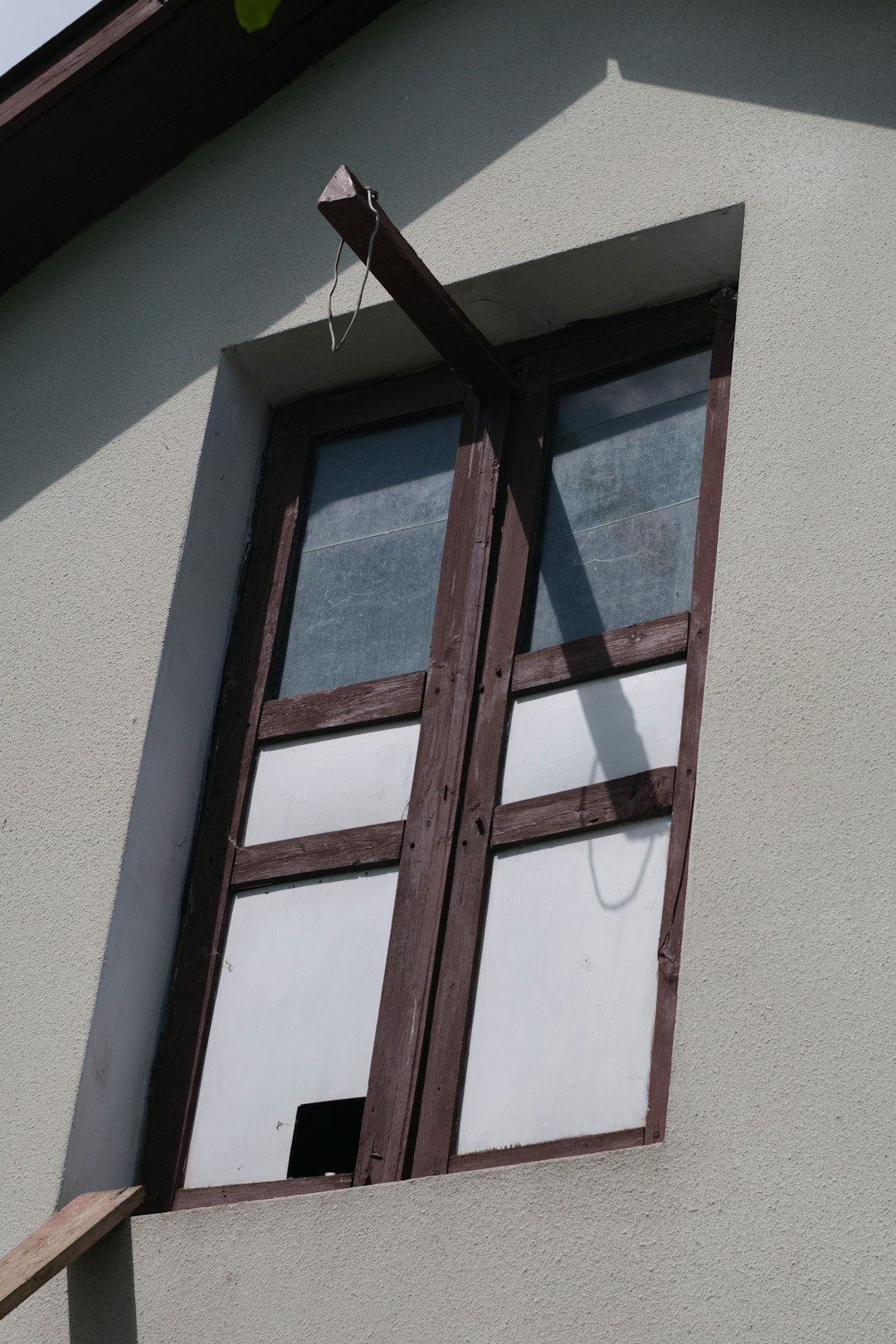
What a Windows Project Can Include
Full-Frame Replacement
The entire window unit is removed and replaced, including the frame. This is the right path when frames are rotted, water damage is present, flashing details need to be rebuilt, or you want the installation to start from a clean opening.
Insert (Pocket) Replacement
A new window unit is installed inside an existing frame that is still sound. This approach is typically faster and less disruptive than full-frame replacement, but it only makes sense when the existing frame, sill, and surrounding condition are genuinely good.
New-Construction Windows
Used when creating a new opening, changing window size, or rebuilding wall sections during a major renovation. These units are installed as part of a larger exterior or framing scope and require proper flashing integration with the wall assembly.
Storm Window or Window-Panel Retrofit
A lower-cost performance upgrade added to an existing window rather than replacing it. In the right situation, especially with older windows that are still structurally sound, storm windows or interior panels can improve comfort, reduce air leakage, and preserve original character.
Common Questions from Homeowners
How do I know whether I need full-frame or insert replacement?
The first question is whether the existing frame is still worth keeping. If the frame is dry, square, and structurally sound, insert replacement may be enough. If there is rot, chronic leaking, failed trim details, or signs of wall damage around the opening, full-frame replacement is usually the safer long-term choice.
Will new windows meaningfully improve comfort and energy performance?
They often do—especially when existing windows are drafty, single-pane, or have failed seals. Comfort improvements usually show up first: fewer drafts, more even room temperatures, and less heat gain or heat loss near the glass. Performance depends on choosing the right product for your climate and installation quality, not just buying "better windows" in the abstract.
What labels should I pay attention to when comparing products?
Look for both the ENERGY STAR label and the NFRC label. ENERGY STAR helps you identify products that meet climate-zone performance criteria. NFRC ratings help you compare U-factor, solar heat gain coefficient (SHGC), visible transmittance, and other performance data across products.
Explore Windows Guides
Everything you need to understand, plan, and hire for a windows project.
Understand pricing, what drives it, and how to evaluate quotes.
What to ask contractors, what proposals should include, and red flags.
Side-by-side comparison of the two most common material choices.
What to expect from start to finish — timeline, phases, and surprises.
How to recognize when your current setup needs attention.
Decision frameworks and next steps for planning your project.
Windows FAQ
U-factor measures how much heat a window loses. Lower is generally better when heat retention matters. SHGC measures how much solar heat the window lets in. Lower SHGC is usually better in hotter, sunnier climates, while the right balance in colder climates depends on orientation and heating priorities.
Yes—sometimes. When the existing window is still structurally sound, a storm-window or panel retrofit can improve comfort and air sealing at much lower cost than full replacement. It is most attractive when preserving existing windows is important or full replacement is not yet justified.
Both matter. Glass package, low-e coating, and climate-appropriate ratings often drive performance, but frame material still affects durability, maintenance, expansion and contraction behavior, and long-term appearance.
Not always. Whole-home replacement can create a cleaner look and simpler installation logistics, but phased replacement may make sense when only certain windows are failing or budget is limited. The key is to prioritize by condition, comfort issues, and exposure.
Ready to explore windows project costs?
Our cost guide breaks down pricing factors and helps you understand what to expect in a quote.