Planning Your Siding Project
A siding project goes better when you answer four questions early: Is this a repair or replacement problem? What material fits your climate and budget? What details need to be corrected behind the siding? And how will you compare proposals that may look similar on the surface but differ meaningfully in scope?
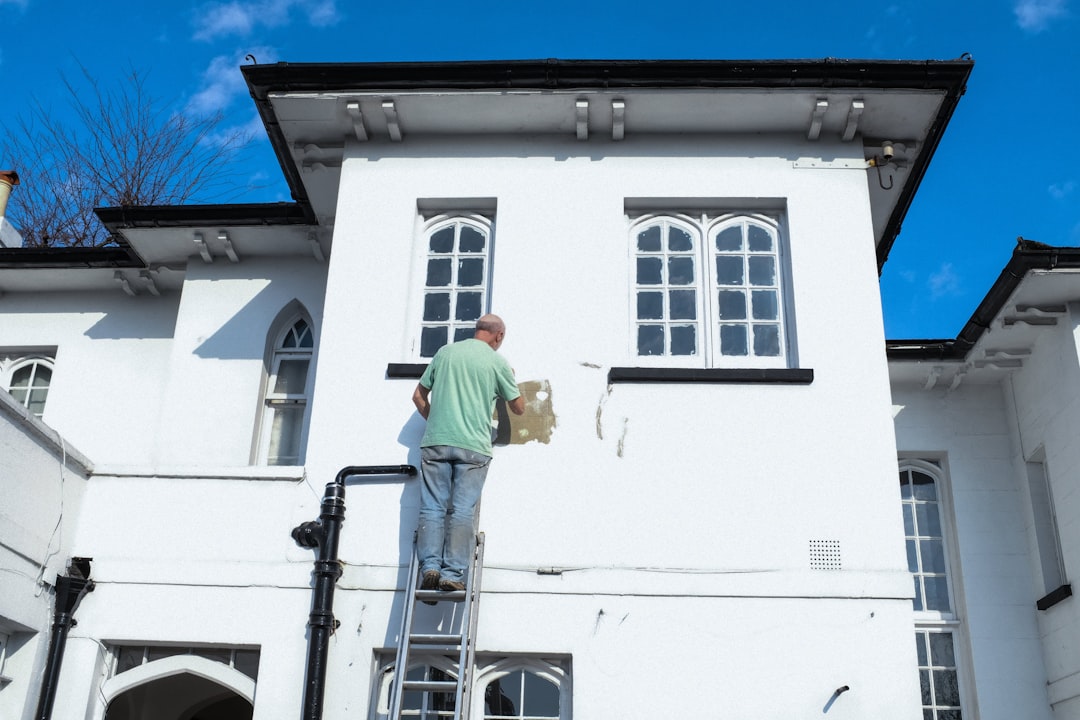
Understanding the shape of this decision before you get quotes will save time, reduce surprises, and help you hire more confidently.
Good planning reduces two of the biggest homeowner risks in siding work: under-scoped bids and late-stage change orders after the old cladding comes off. The most consequential planning decision is rarely color alone. It is whether the project is being approached as a surface refresh or as an exterior-envelope project that may require sheathing review, flashing correction, and water-management details to be done right.
This guide covers
Key Decision Points
Work through these questions before committing to a scope or requesting quotes.
Full replacement or partial repair?
Use pattern, age, and failure type as the test. One bad section can still be a repair job. Repeated failures across more than one elevation, broad paint breakdown, softness, buckling, or visible water entry usually point toward replacement.
Which material fits my goals?
Start with priorities, not branding. If lower upkeep and lower upfront cost matter most, vinyl often stays in the conversation. If a more solid appearance, fire resistance, and long-term exterior value are bigger priorities, fiber cement often moves up the list. Local climate and installer quality matter as much as the brochure.
Should I bundle siding with windows or other exterior work?
Often yes when both projects are already on the near-term list. Coordinating them can reduce duplicated labor, avoid disturbing newly finished areas later, and make flashing and trim transitions cleaner.
Color and profile selection
In full replacements, broad curb-appeal decisions should be made from large samples and whole-elevation thinking, not tiny swatches. Look at roof color, masonry, trim, and nearby homes. Good design decisions usually happen one level up from which sample looks nicest in my hand.
Option Paths
Different situations call for different approaches. Find the path that fits your circumstances.
Path A
Budget-conscious full replacement
Best when: Best when the current siding is broadly worn or dated, but the main priorities are durability, cleaner appearance, and controlled budget.
Key Considerations
- Keep the material decision grounded in total installed cost, not just product cost.
- Spend attention on scope details: demo, wrap, trim, and flashing often matter more than a marketing upgrade tier.
- Ask how the bid handles discovered sheathing damage.
Path B
Premium long-term exterior upgrade
Best when: Best when you expect to stay in the home, care about appearance quality, and want a more durable long-horizon solution.
Key Considerations
- Use installer quality as a filtering tool, not an afterthought.
- Clarify repaint expectations, warranty structure, and what accessories and trim are included.
- In fire-prone or severe-weather areas, ask how local risk affects the recommendation.
Path C
Coordinated exterior renovation
Best when: Best when siding, windows, trim, and related exterior work are all on the table within the same project window.
Key Considerations
- Confirm project sequencing before signing.
- Make one person responsible for coordination if multiple trades are involved.
- Use one exterior design direction for siding, trim, window color, and accent choices.
Recommended Next Steps
A practical sequence to move from planning to hiring with confidence
- 1
Walk the entire exterior and document what you actually see
Take photos by elevation. Note cracked panels, failed caulk lines, soft trim, paint breakdown, gaps at corners, and any interior moisture clues near exterior walls.
- 2
Decide whether you are solving a cosmetic problem, a protection problem, or both
This affects how much you should care about sheathing review, weather barrier details, and opening up the wall.
- 3
Narrow to one material path before requesting comparable bids
Comparing proposals is much easier when they are quoting the same material type and roughly the same scope.
- 4
Ask each contractor the same water-management questions
How will you handle housewrap or WRB? What is your flashing approach at windows and doors? How do you handle discovered damage? Uniform questions produce more useful comparisons.
- 5
Build time and money for hidden conditions
Siding work often changes once demo begins. Planning for that is better than pretending it will not happen.
A planning note
The homeowners who end up most satisfied with a siding project are typically those who took time to understand their options before requesting bids — not after. Use the guides in this series to arrive at contractor conversations prepared.
Siding Planning FAQ
Lifespan depends on material, climate, orientation, maintenance, and installation quality. Product-category estimates are useful only as broad planning ranges, not promises.
Think of resale value as a benchmark, not a guarantee. National reports such as Cost vs. Value can be helpful planning references, but actual return depends heavily on local market, home price point, and whether the old siding was visibly hurting the property.
Sometimes yes. Cleaning, selective repair, recaulk work, drainage correction, and spot paint maintenance can buy time when the main assembly is still fundamentally sound.
Ready to explore siding costs?
Understanding pricing helps you validate your plan and evaluate contractor quotes.