Plan the project before you talk to painters
A painting project goes more smoothly when the homeowner has already made a few key decisions: what surfaces are included, how much prep the project really needs, what finish level is appropriate, and when the work should happen. This guide helps you define the job before you request bids.
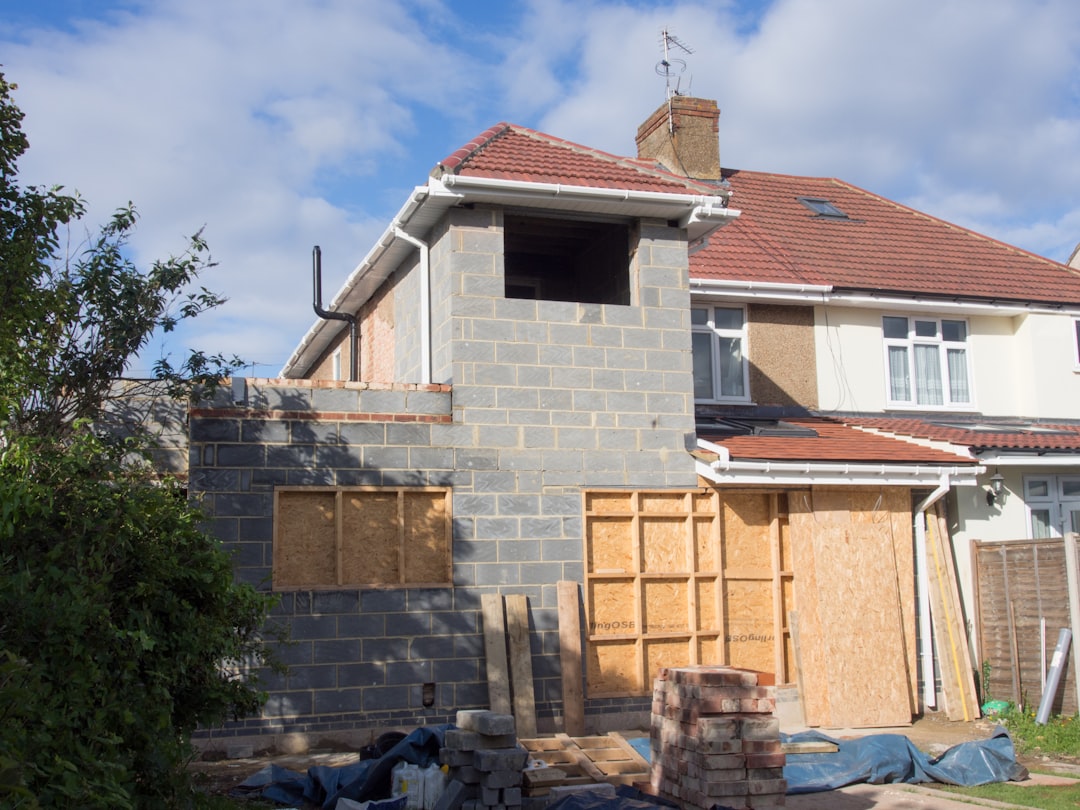
Understanding the shape of this decision before you get quotes will save time, reduce surprises, and help you hire more confidently.
Good planning does three things: it narrows scope, prevents vague bids, and reduces mid-project change orders. The more clearly you define the project before pricing starts, the easier it is to compare contractors fairly.
This guide covers
Key Decision Points
Work through these questions before committing to a scope or requesting quotes.
What kind of project is this: refresh or corrective repaint?
If surfaces are mostly sound, the project may be a straightforward refresh. If there is peeling, staining, water damage, mildew, failing caulk, or multiple old paint layers, the project needs corrective prep. That difference can change both cost and timeline significantly.
What surfaces are actually included?
Define this clearly before asking for bids. "Paint the room" can mean walls only, or walls, ceilings, trim, doors, closets, and baseboards. Exterior scope can also vary widely: siding only, siding plus trim, or a more complete envelope refresh.
What finish level makes sense?
Different finishes suit different surfaces. Flat or matte can hide imperfections but is less washable. Eggshell is a common wall finish. Satin is often used where a little more durability is wanted. Semi-gloss is typical for trim, doors, and other surfaces that need more cleanability. Decide this before pricing so bids are comparable.
Is timing part of the project risk?
Exterior work depends on weather, substrate dryness, and curing conditions. Interior work is more flexible, but the schedule can still be affected by room access, drying time, cabinet cure time, or other renovation work happening nearby.
Option Paths
Different situations call for different approaches. Find the path that fits your circumstances.
Path A
Path A: Small interior refresh
Best when: Best when you want visual improvement without expanding into a major whole-home repaint.
Key Considerations
- Best for one room, selected walls, trim refreshes, or cosmetic updates before furnishing changes
- Works best when surfaces are already in reasonably good condition
- Scope should still be precise: walls only vs walls and trim changes the bid materially
Path B
Path B: Full interior repaint
Best when: Best when the home feels dated, recently changed hands, or is coming out of renovation work.
Key Considerations
- Define whether ceilings, trim, doors, closets, and baseboards are included
- Color continuity matters more on full-house projects than on isolated rooms
- Good candidate for standardizing wall finish and trim finish across multiple rooms
Path C
Path C: Exterior repaint with corrective prep
Best when: Best when the exterior is faded, chalking, cracking, peeling, or visually tired — or when deferred maintenance is becoming visible.
Key Considerations
- Exterior work should be planned around weather windows, not just calendar preference
- Prep standard matters enormously: washing, scraping, sanding, caulking, priming, and substrate repairs should be discussed in advance
- If the home was built before 1978 and old paint will be disturbed, lead-safe considerations may affect contractor selection and work practices
Recommended Next Steps
A practical sequence to move from planning to hiring with confidence
- 1
Walk the project and define the scope in writing
List exactly what is included: rooms, ceilings, trim, doors, cabinets, siding, shutters, railings, fascia, and any special surfaces. The clearer the written scope, the less room there is for vague proposals.
- 2
Identify whether prep is basic or corrective
Look for stains, cracks, peeling, mildew, caulk failure, damaged drywall, rough wood, water intrusion, or heavy gloss surfaces that need more preparation. This step often determines whether the project is a simple repaint or a more involved restoration-style scope.
- 3
Narrow your finish and color decisions before bidding
You do not need every final color selected, but you should know the direction. At minimum, decide whether the project is neutral refresh vs major color change, and identify likely wall and trim finishes so pricing is based on a real scope.
- 4
Time the work realistically
Exterior work should be scheduled around acceptable temperature and moisture conditions, not just contractor availability. Interior work should be timed around household disruption, other renovations, and room access.
- 5
Request comparable bids from licensed and insured contractors
Provide the same written scope to every bidder. Ask each contractor to describe prep standards, product lines, number of coats, and what is excluded. Comparable input produces more comparable pricing.
A planning note
The homeowners who end up most satisfied with a painting project are typically those who took time to understand their options before requesting bids — not after. Use the guides in this series to arrive at contractor conversations prepared.
Painting Planning FAQ
Interior painting can be done almost any time of year with normal ventilation and scheduling. Exterior painting is more restrictive. Temperature, rain risk, surface moisture, and cure time matter. Mild, stable weather is usually better than trying to force an exterior project into a poor weather window.
Think first about washability, visibility of wall imperfections, and the type of surface. Lower-sheen finishes hide imperfections better. Mid-sheen finishes are often easier to clean. Higher-sheen finishes are common on trim and doors because they handle repeated contact better.
In many cases, paint comes first — especially wall and ceiling work — because it reduces the risk of damaging a new floor. But exact sequencing depends on the scope, whether trim is being replaced, and whether other renovation work is happening at the same time.
Ready to explore painting costs?
Understanding pricing helps you validate your plan and evaluate contractor quotes.