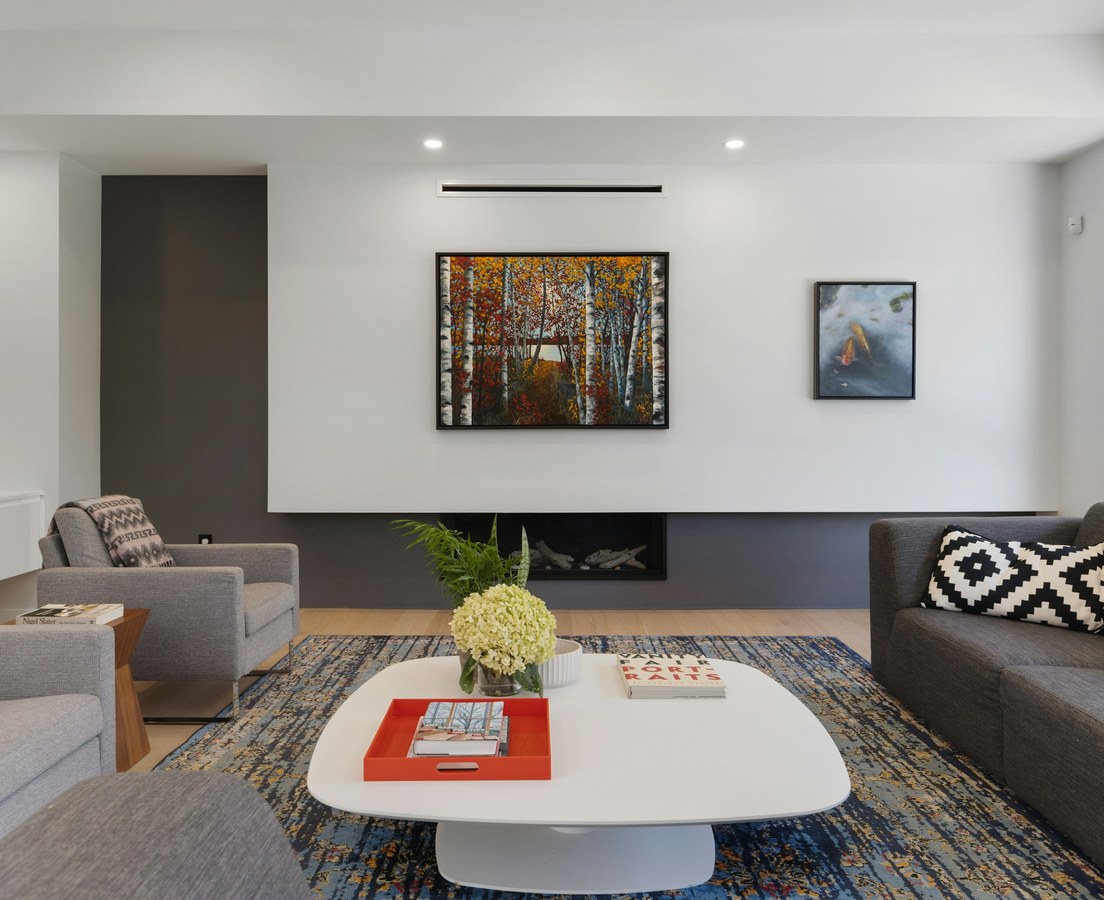
Interior and exterior painting serve different purposes and follow different rules. Interior work is primarily cosmetic, can be scheduled year-round, and costs $2 to $6 per square foot. Exterior work protects your home from weather, requires more intensive surface prep, and depends on temperature, moisture, and substrate condition for proper application.
Cost Structure and What Drives the Price
A standard bedroom costs $650 to $950 to paint professionally with two coats of mid-grade paint. Scale that up to a full 2,000-square-foot home interior, and the total lands between $6,000 and $10,000 for walls alone. Trim and doors add another $2,000 to $4,000 if painted as a separate scope, or roughly $1,500 to $3,000 when bundled into the larger project. The room-by-room pricing guide breaks costs down by room type, since bathrooms cost 40 to 60% more per square foot than bedrooms due to the labor intensity of cutting in around fixtures.
Exterior painting runs $3,000 to $10,000 for a typical 2,000-square-foot home. The price spread is wider than interior work because substrate condition plays a larger role. A house with sound paint that just needs a fresh coat sits at the low end. A home with peeling paint and failed caulk pushes toward the middle, and add exposed wood or two-story access complexity and the price moves to the high end or beyond it.
Labor accounts for 70 to 85% of interior painting costs and an even higher share on exteriors. The cost driver indoors is scope: how many rooms, how much trim, how many cuts per room. Outdoors, the cost driver shifts to prep intensity and access. Scraping, sanding, caulking, and priming bare substrate on a two-story home with dormers takes far more crew hours than rolling walls in an open-plan living room. For a closer look at how trim and door painting affects your total, the per-unit numbers help separate wall costs from finish-carpentry-adjacent work.
Paint Selection and Product Differences
The right paint for interior walls is not the right paint for exterior siding. Product priorities split cleanly between the two project types.
Indoor paint is optimized for washability, coverage, low odor, and sheen consistency. VOC regulations have made water-based latex the default for virtually all interior work. Premium interior lines like Benjamin Moore Regal or Sherwin-Williams Emerald run $60 to $80 per gallon and offer better hide with smoother leveling and longer durability between repaints. A typical room uses 1 to 2 gallons, so the material cost difference between economy and premium paint is modest compared to the labor bill.
Exterior paint must survive UV exposure, rain, temperature swings, and freeze-thaw cycles. UV resistance and adhesion replace washability and sheen as the primary selection criteria, with moisture tolerance close behind. Premium exterior lines cost $70 to $90 per gallon but often justify the premium by extending the repaint cycle. A $75-per-gallon paint lasting 10 years costs $7.50 per year. A $35-per-gallon paint lasting 5 years costs $7.00 per year in paint alone, but you pay for labor twice. The guide to how long exterior paint lasts shows how siding material and climate shift those timelines by surface type.
100% acrylic latex is the best general-purpose choice for both interiors and exteriors in 2026. Oil-based paint still earns its place on bare wood trim and rusted metal, plus any high-wear surface that needs a glass-smooth finish. The oil-based vs water-based paint comparison covers identification and chemistry along with the specific situations where alkyd products outperform latex.
Scheduling and Weather Dependence
Interior painting can happen in any season. Crews work in climate-controlled spaces, and drying conditions stay consistent regardless of what is happening outside. This flexibility makes interior projects easier to schedule around household routines and easier to discount. November through February is the slow season for painters, and many contractors offer 10 to 15% off during those months to keep crews busy.
Exterior projects answer to the weather. Paint application requires temperatures between 50 and 85 degrees Fahrenheit for water-based products (40 to 90 for oil-based), low humidity, and a dry substrate with no rain in the forecast for the curing window. South-facing and west-facing walls absorb more solar heat and UV radiation, degrading significantly faster than shaded north-facing walls on the same house. Forcing a project outside the right weather window risks adhesion failure and trapped moisture, shortening the repaint cycle before it should start.
Prep Requirements: The Biggest Quality Gap
Surface preparation separates a paint job that lasts from one that fails early, and the gap between interior and exterior prep is substantial.
Interior prep is manageable on most projects. Patching nail holes, sanding rough areas, caulking gaps at trim joints, spot-priming stains, and masking adjacent surfaces covers the typical scope. A room in good condition might need 30 minutes of prep. A room with water stains or cracked drywall (especially one with multiple old paint layers) can require hours of corrective work before a roller touches the wall.
Exterior prep is where most of the labor hours go. Power washing removes dirt and mildew along with chalking residue. Scraping and sanding strip failed paint down to a sound substrate. Caulk replacement at windows and trim joints — including corner boards — seals penetration points against water. Priming bare wood, exposed fiber cement, or scraped areas ensures the topcoat bonds properly. On older homes built before 1978, lead-safe work practices add containment and disposal requirements that affect both labor cost and crew time.
Skipping prep has different consequences on each side of the wall. Interior shortcuts show up as flashing and lap marks — cosmetic problems that look bad but rarely cause structural harm. Exterior shortcuts invite moisture behind the paint film, leading to peeling and wood rot that costs far more to fix than the prep that was skipped.
| Prep Task | Interior | Exterior |
|---|---|---|
| Surface cleaning | Wipe or light wash | Power washing required |
| Paint removal | Spot scraping only | Full scrape to sound substrate |
| Caulking | Trim and baseboard gaps | All joints, windows, trim, corner boards |
| Priming | Spot priming stains and patches | All bare wood, fiber cement, scraped areas |
| Lead paint rules | Testing recommended pre-1978 | EPA RRP required at 20+ sq ft disturbance |
| Typical prep share of labor | 10–20% | 30–50% |