Refresh your home from the inside out.
Interior and exterior painting are both finish trades — but durable results depend on surface prep, product choice, application quality, and timing. This guide helps homeowners understand the difference between a quick cosmetic refresh and a professionally planned paint job that holds up.
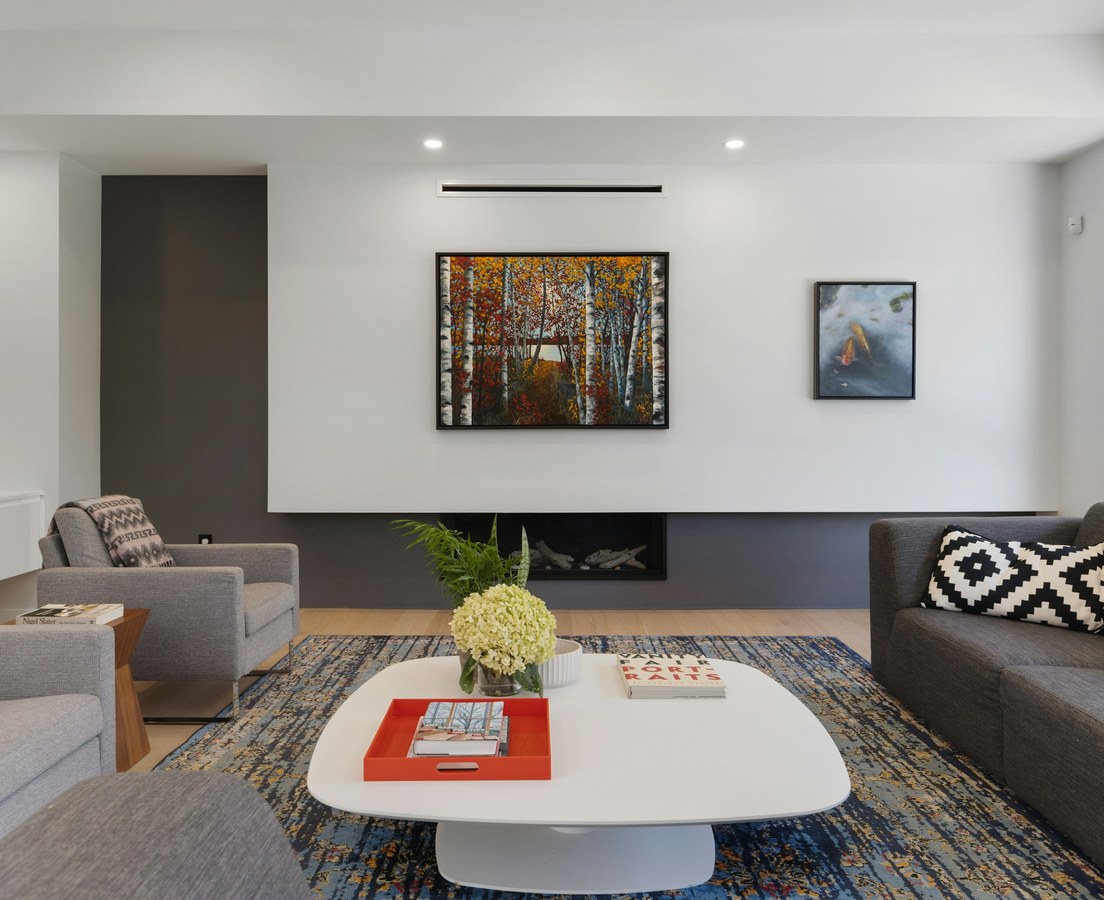
What a Painting Project Can Include
Interior Painting
Walls, ceilings, trim, doors, and sometimes built-ins. A simple repaint may be mostly cosmetic; a more involved project may include patching, sanding, stain-blocking primer, caulking, and sheen changes across different surfaces.
Exterior Painting
Siding, trim, doors, shutters, soffits, and fascia. Exterior work is much more dependent on substrate condition and weather. Good prep matters even more outside, especially where old paint is peeling, chalking, or failing.
Cabinet Refinishing
Cabinet boxes, doors, and drawer fronts. This is not the same as repainting walls. It typically requires degreasing, sanding, careful masking, primer selection, and often a sprayed finish if the goal is a smoother factory-like look.
Specialty Coatings and Problem Surfaces
Masonry coatings, garage floor coatings, porch and deck finishes, bathroom moisture-prone surfaces, and other substrates that require more specific product selection than a standard wall repaint. These projects should be scoped carefully because the wrong product system fails early.
Common Questions from Homeowners
What matters most in a paint job?
Preparation. Cleaning, patching, sanding, caulking, spot priming, and protecting adjacent surfaces do more to determine durability than the topcoat alone. Two painters can use similar paint products and produce very different results if their prep standards are different.
When is repainting cosmetic vs necessary?
Some projects are mostly about appearance. Others are about stopping deterioration. Faded interior walls are usually cosmetic. Peeling exterior paint, persistent staining, moisture damage, or mildew often mean the project needs corrective prep before repainting can succeed.
How disruptive is a typical project?
A single-room interior repaint can be fairly manageable. Whole-home interiors, cabinet refinishing, and exteriors are more involved. Disruption depends less on painting itself and more on prep, drying time, weather, room access, furniture movement, and how many surfaces are included.
Explore Painting Guides
Everything you need to understand, plan, and hire for a painting project.
Understand pricing, what drives it, and how to evaluate quotes.
What to ask contractors, what proposals should include, and red flags.
Side-by-side comparison of the two most common material choices.
What to expect from start to finish — timeline, phases, and surprises.
How to recognize when your current setup needs attention.
Decision frameworks and next steps for planning your project.
Painting Articles
In-depth guides on specific painting topics.
Painting a brick house costs $1.50-$5 per sq ft installed. Compare limewash vs mineral paint vs acrylic costs, and why moisture matters before you commit.
Painting a stucco house costs $1.50-$5.50 per sq ft, or $3,000-$11,000 for a 2,000 sq ft home. Compare elastomeric vs acrylic paint costs and coverage.
Deck staining costs $2–$5 per sq ft for professional work. See pricing by stain type, deck size, and how opacity sets your long-term recoat budget.
Popcorn ceiling removal costs $1–$3/sq ft for standard scraping or $5–$10/sq ft with asbestos. See room-by-room pricing, DIY costs, and alternatives.
Wallpaper removal costs $1–$3 per sq ft for stripping, plus $2–$4/sq ft for painting. Get the full breakdown by method, room size, and DIY options.
Exterior house painting costs $1.50–$5.00 per sq ft, or $3,000–$10,000 for a typical home. Pricing by siding type, stories, and what drives your bid.
Kitchen cabinet painting costs $3,000–$7,000 for a full kitchen. See per-door pricing, spray vs brush costs, and how painting compares to replacement.
Eggshell vs satin vs semi-gloss paint compared by gloss readings, durability, and room fit. Includes brand sheen mapping and a room-by-room guide.
The cost to paint a room runs $380–$1,700 depending on room type. See bedroom, bathroom, kitchen, and living room pricing with full labor breakdowns.
Exterior paint lasts 5-15 years. Wood needs repainting every 3-7 years; painted brick can stretch to 20. See timelines by surface and signs of failure.
Interior trim painting costs $1–$5 per linear foot and doors run $50–$300 per side. See per-unit pricing tables and a worked example for a full home.
Oil-based vs water-based paint differs in dry time, durability, and VOCs. See which to use where, how to identify existing paint, and why names overlap.
Interior painting costs $2–$6 per sq ft in 2026. Use the room-by-room cost breakdown to estimate your labor and materials before calling contractors.
Paint bubbling on walls usually means moisture or prep failure. This guide covers each cause with its fix — and flags when water damage needs a pro.
Painting FAQ
Yes, but prep usually matters more. On a professional project, labor is often the largest part of the bill. That means a slightly better product can be worth it if the underlying prep is done correctly. Premium paint does not rescue poor prep, but poor product choice can still shorten the life of a good job.
Two finish coats is a common benchmark for quality work, but the right answer depends on substrate condition, color change, product coverage, and whether primer is needed. A professional scope should be specific about primer and finish coats instead of relying on vague wording.
No. Exterior painting is much more weather-dependent and more closely tied to moisture management, substrate condition, and long-term exposure. Interior painting is usually easier to schedule and less dependent on weather, but surface prep and finish selection still matter.
Potentially, yes. If a home was built before 1978 and the project involves sanding, scraping, or otherwise disturbing old painted surfaces, lead-safe work practices may apply. That should be addressed before work begins, not after prep starts.
Ready to explore painting project costs?
Our cost guide breaks down pricing factors and helps you understand what to expect in a quote.