The foundation of every room in your home.
Flooring decisions are not just about appearance. The right choice depends on moisture exposure, pets, traffic, subfloor condition, comfort underfoot, noise, maintenance tolerance, and budget. This guide helps you understand those tradeoffs before you narrow products or talk to installers.
What a Flooring Project Can Include
Hardwood Flooring
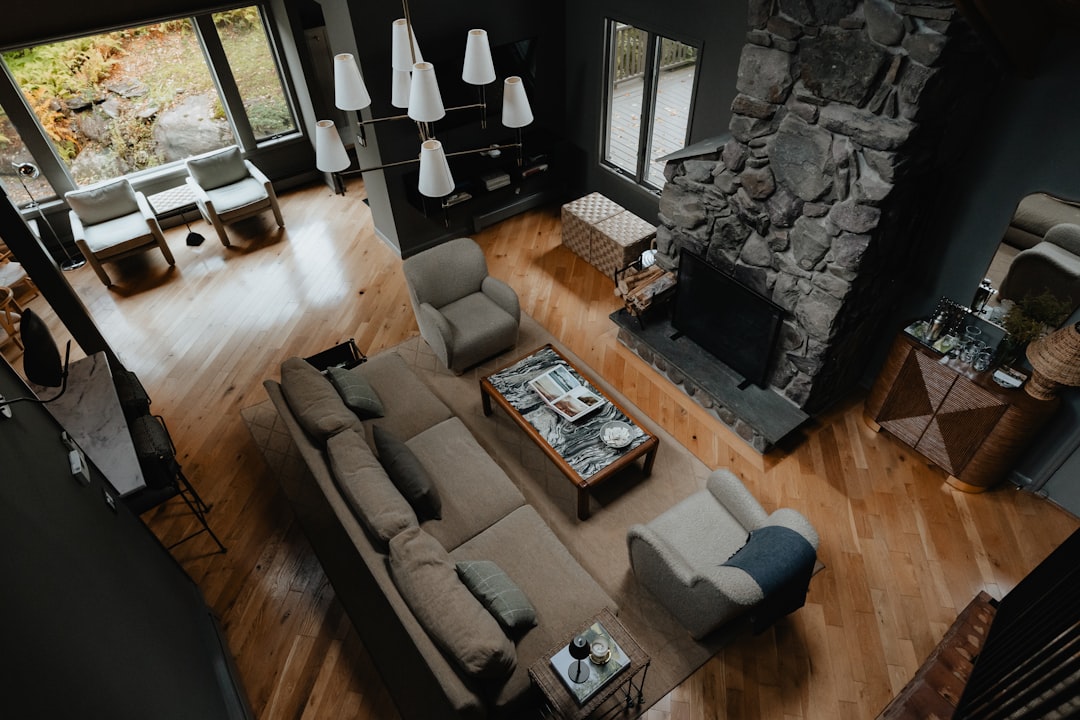
Solid and engineered hardwood are usually chosen for main living areas where long-term appearance and resale appeal matter. Hardwood is attractive and, in many cases, refinishable — but it is less forgiving around moisture, wet shoes, pet accidents, and below-grade conditions.
Luxury Vinyl Plank (LVP)
LVP is often the practical choice for busy homes because it handles water exposure and wear better than many homeowners expect. It is especially common in kitchens, basements, mudrooms, and homes with kids or pets. The important caveat: a waterproof product surface does not solve a damp or uneven subfloor underneath.
Tile Flooring
Porcelain and ceramic tile are strong choices where water resistance matters most. They perform well in baths, laundry areas, mudrooms, and many kitchens, but the subfloor has to be stable enough to avoid cracking and grout failure. Tile also feels harder and colder underfoot than most competing options.
Carpet
Carpet is still a practical option where softness, warmth, and sound control matter more than moisture resistance. It is common in bedrooms and some upstairs spaces, but it is less forgiving in homes with ongoing moisture issues, frequent pet accidents, or heavy tracked-in dirt.
Common Questions from Homeowners
Can I use one flooring type throughout the whole house?
Sometimes — but it depends on the rooms involved. A whole-home flooring plan can look cohesive and may reduce transition strips, but wet areas, basements, and laundry spaces often need different performance characteristics than bedrooms or living areas. The best-looking plan is not always the most durable one.
How much does subfloor condition really matter?
A great deal. Unevenness, moisture, squeaks, soft spots, or movement below the finished floor often determine whether the project performs well long-term. Many flooring problems that homeowners blame on the material are actually subfloor or moisture-management problems.
Is "waterproof" flooring always the safest choice?
Not automatically. Waterproof products are helpful where spills or wet shoes are common, but they do not fix chronic moisture coming through a slab, leaking appliances, or trapped water below the floor. If moisture is already present, the source has to be addressed before installation.
Explore Flooring Guides
Everything you need to understand, plan, and hire for a flooring project.
Understand pricing, what drives it, and how to evaluate quotes.
What to ask contractors, what proposals should include, and red flags.
Side-by-side comparison of the two most common material choices.
What to expect from start to finish — timeline, phases, and surprises.
How to recognize when your current setup needs attention.
Decision frameworks and next steps for planning your project.
Flooring FAQ
There is no single best answer, but the safest starting point is usually a durable, easy-to-clean floor with good scratch and moisture resistance. Many homeowners land on LVP or tile for that reason. Hardwood can still work in pet households, but it is less forgiving of scratches, standing water, and repeated accidents. Product quality matters too — not all wear layers and finishes perform the same way.
Most projects need more than the exact room square footage to account for cuts, waste, room shape, and future repairs. The allowance varies by product and layout, but the important planning point is simple: do not order only the exact measured area and assume that is enough.
Yes, but not equally across all products and all markets. Flooring affects buyer perception, visible condition, and how "finished" a home feels. A well-chosen floor can strengthen marketability, while a poor material choice for the room — or a visibly failing installation — can do the opposite.
Absolutely. In many homes, that is the smarter approach. The key is to make the transitions intentional and to choose materials based on how each room is used, not just on visual consistency.
Ready to explore flooring project costs?
Our cost guide breaks down pricing factors and helps you understand what to expect in a quote.